

ADIFF Announces 'Black in Latin America' Virtual Film Series
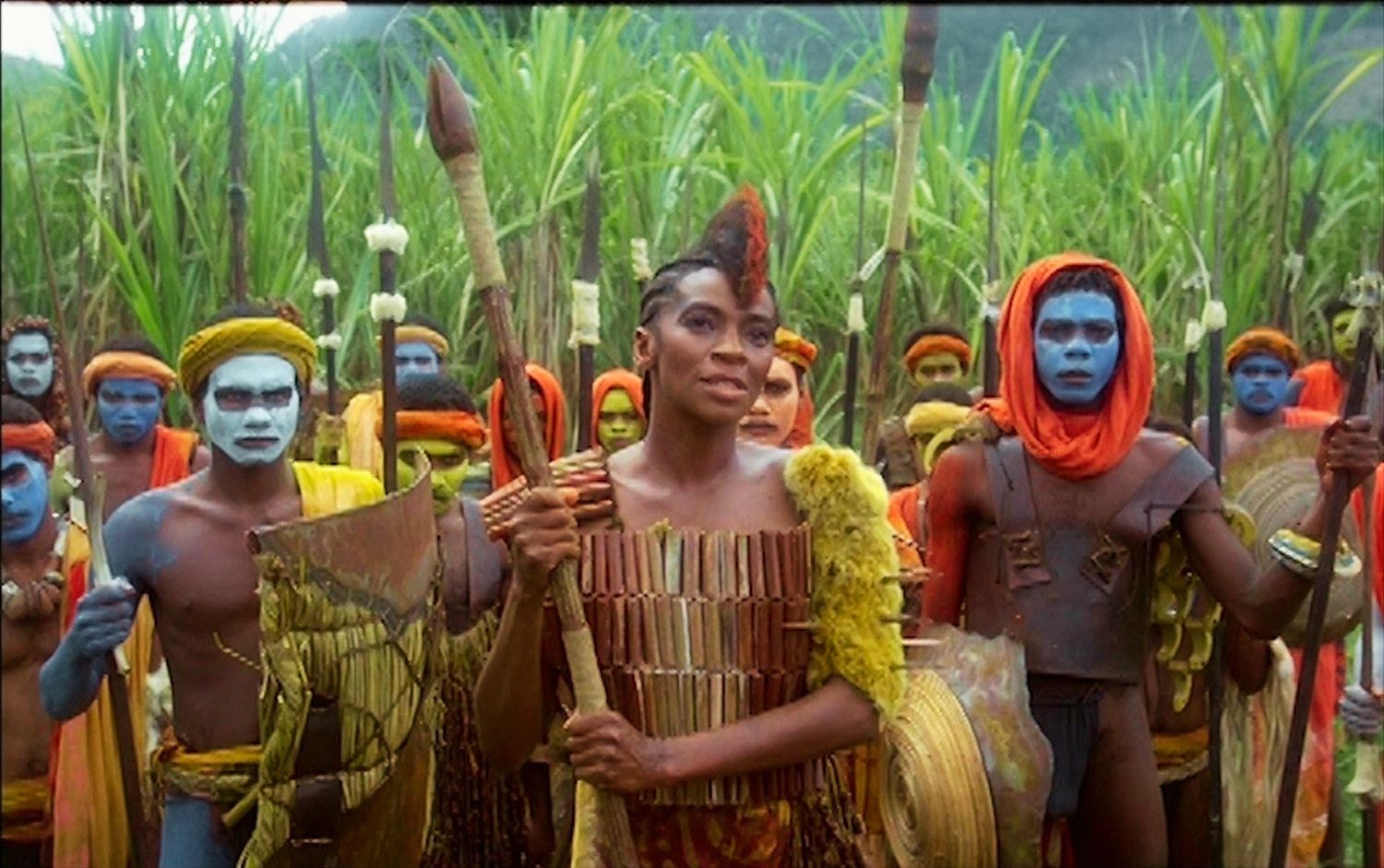
" Quilombo" directed by Carlos Diegues
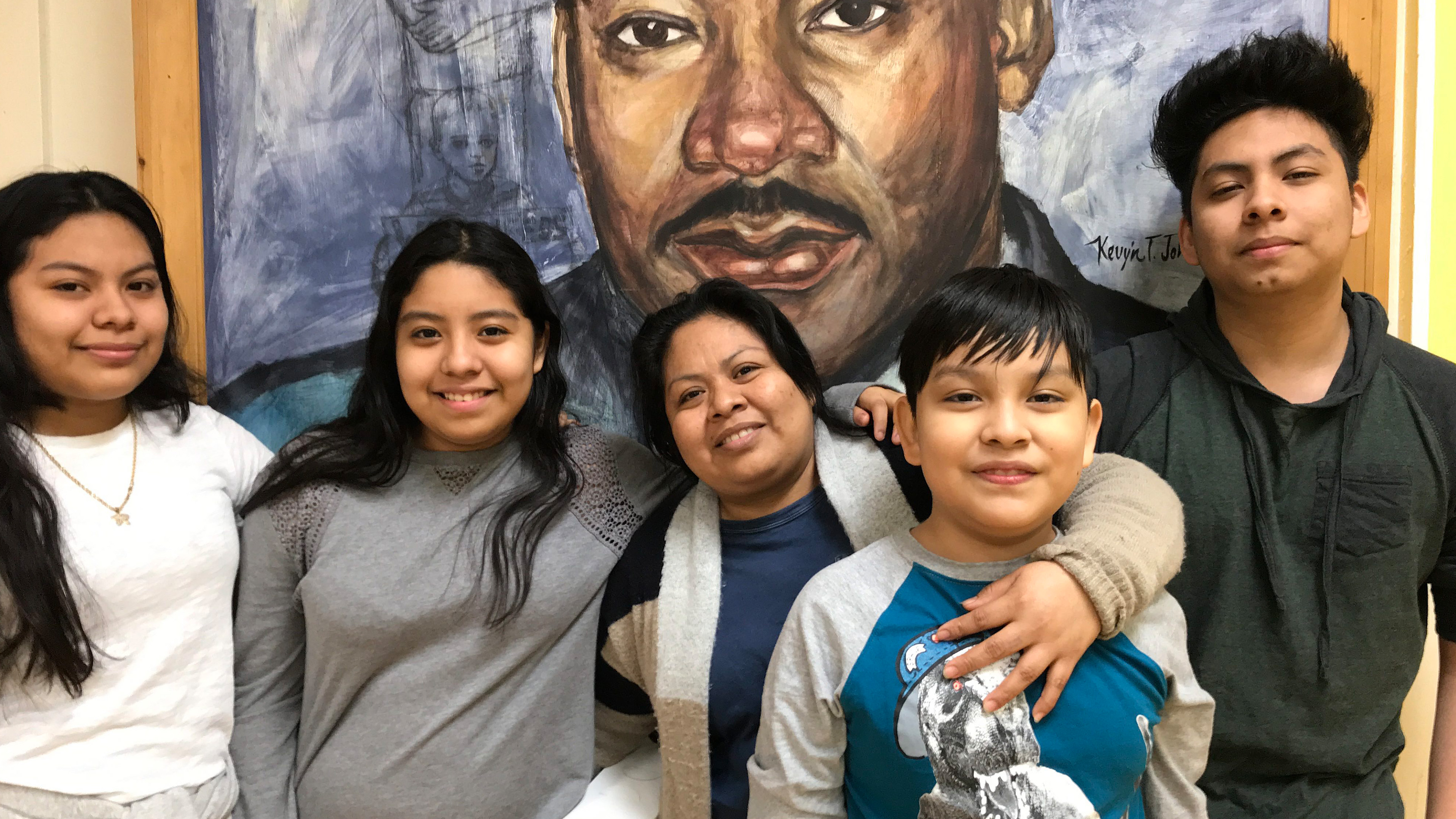
"Angels on Diamond Street" directed by Petr Lam
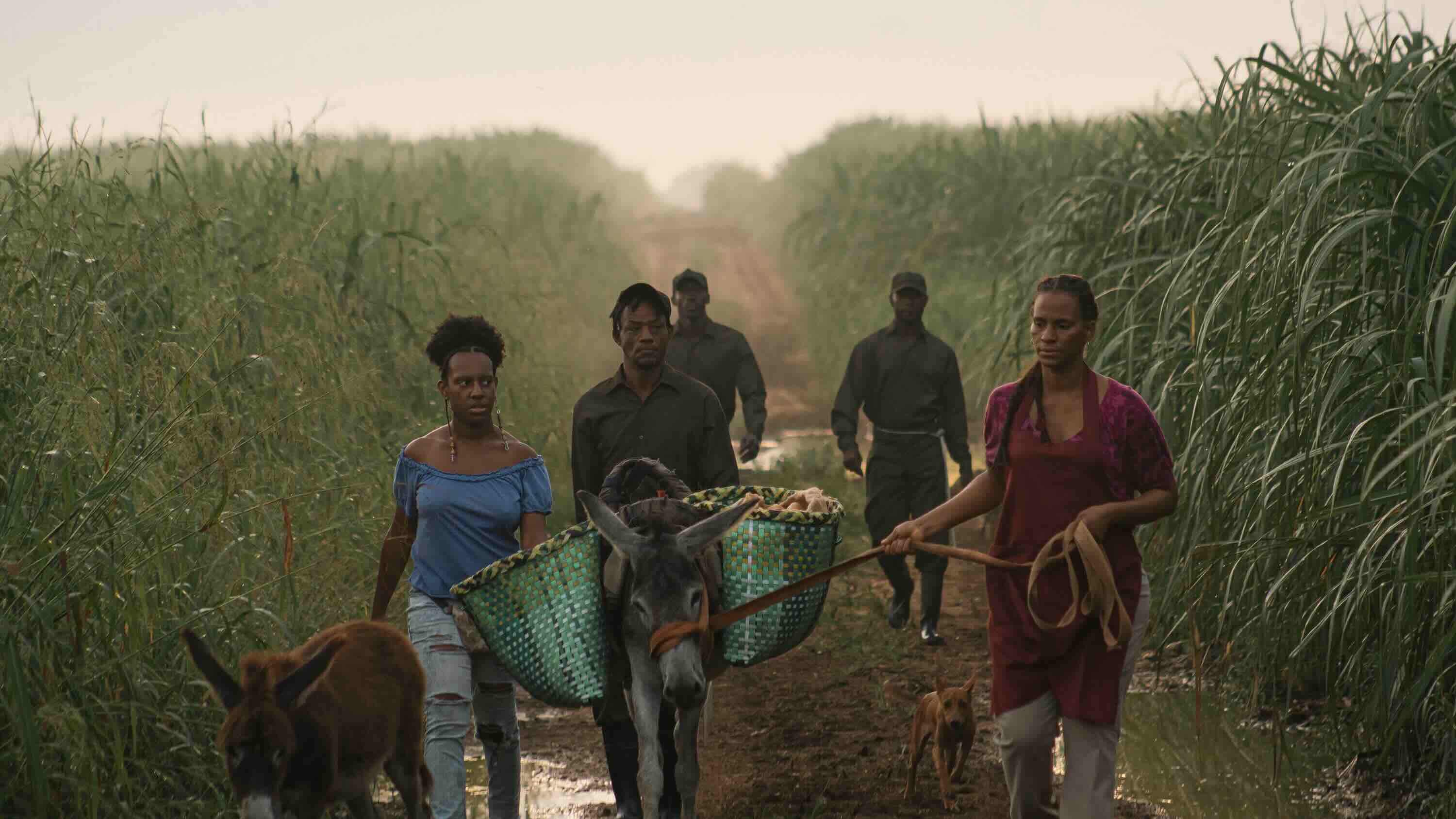
"Sugar Island" directed by Johanne Gómez Terrero

Black in Latin America (Sept. 25 - Oct. 15)
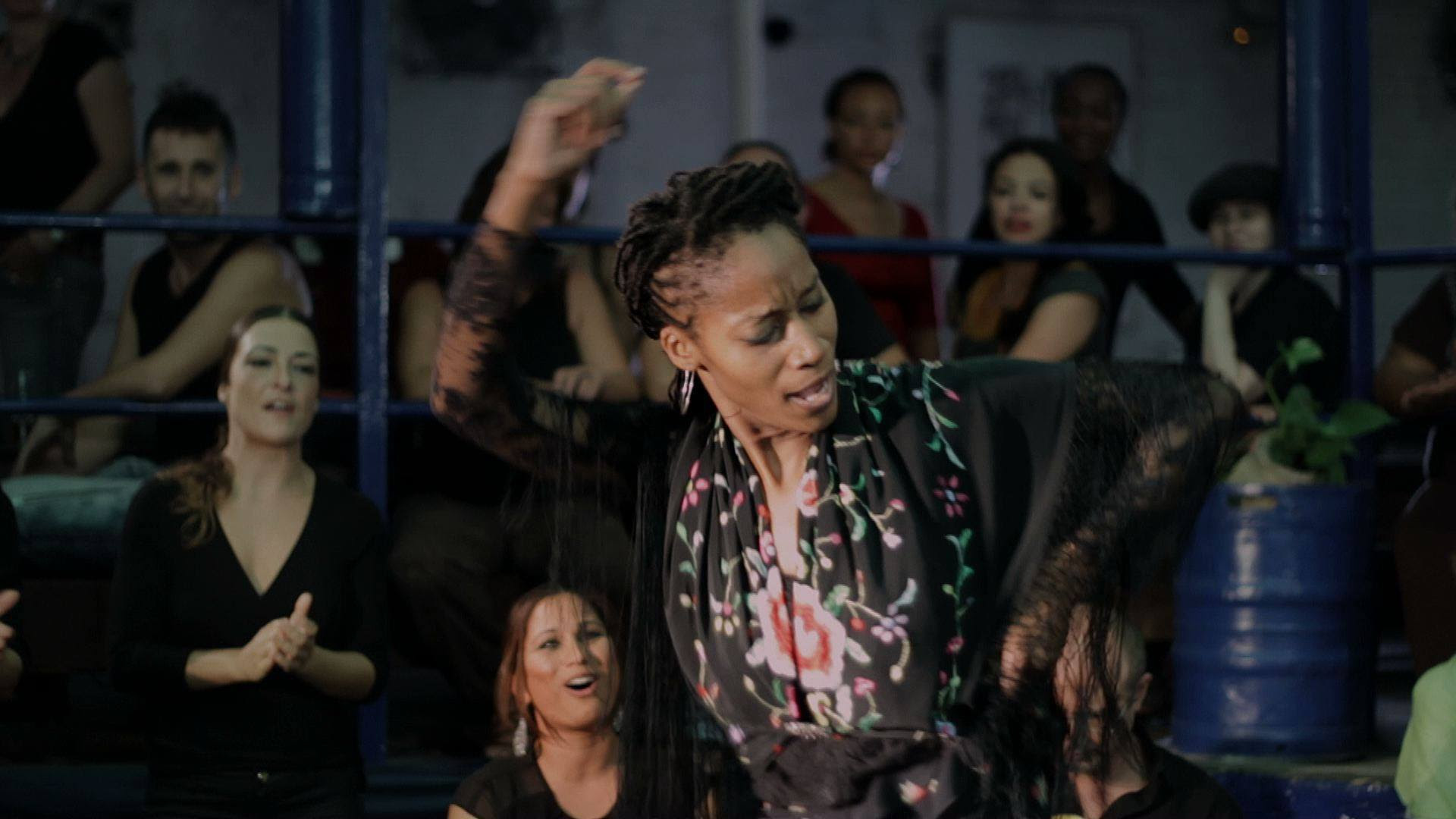
GURUMBÉ. AFRO-ANDALUSIAN MEMORIES
Streaming Online Across the United States September 25 – October 15, 2026
Bringing together ten classic and contemporary films, Black in Latin America explores the history, culture, identity and contemporary experiences of people of African descent throughout Latin America and across the broader African Diaspora.
Latin America is a region of the Americas where Romance languages—principally Spanish, Portuguese and French—are spoken. The region includes 20 Latin American countries and is home to an estimated 130 to 150 million people of African descent.
Despite their central role in the history, economy and culture of the region, Afro-descendant populations continue to face significant social and economic inequalities.
Research by the World Bank Group and the Economic Commission for Latin America and the Caribbean (ECLAC/CEPAL) points to persistent disparities affecting Afro-descendant communities, including high levels of poverty, wage gaps, underrepresentation in leadership and decision-making positions, and unequal educational outcomes. These inequalities are also reflected in limited access to higher education and high dropout rates.
Through fiction and documentary, Black in Latin America brings greater visibility to communities whose histories and experiences have often been marginalized within dominant narratives of Latin American identity.
The program looks at the African presence in the region from multiple perspectives—history and memory, race and identity, migration and displacement, labor and economic inequality, music and cultural expression, and resistance.
From Venezuela, Colombia and Mexico to the Dominican Republic, Chile, Peru, Cuba and Brazil, the films reveal both the diversity of Afro-descendant experiences and the historical connections that unite communities across borders.
Black in Latin America Lineup
• Mestizo (Venezuela — Classic) — Set in a Venezuelan coastal village, José Ramón, the son of a white aristocrat and a Black fisherwoman, struggles to define his identity while confronting race, class, power and his difficult relationship with both parents.
• La Playa D.C. (Colombia — Classic) — Displaced by war from Colombia’s Pacific coast, young Afro-Colombian Tomás tries to survive in Bogotá while searching for his missing younger brother and confronting racism, displacement and the wounds of the past.
• Black Mexicans (La Negrada) (Mexico — Classic) — Filmed in Afro-Mexican communities along Oaxaca’s Costa Chica, the drama follows two women who share the same man, offering an intimate portrait of family life while bringing visibility to Mexico’s often-overlooked Black population.
• Sugar Island (Dominican Republic/Spain — Virtual Premiere) — An unwanted pregnancy pushes Makenya, a Dominican-Haitian teenager living in a sugarcane community, toward adulthood as her family confronts labor exploitation, colonial legacies and displacement. Her journey combines political awakening with Afro-Dominican ancestral spirituality.
• The Valley of the Black Descendants (Chile) — In Chile’s Azapa Valley, descendants of enslaved Africans organize the country’s first census of its African-descendant population as part of their struggle for official recognition after more than two centuries of cultural invisibility.
• Susana Baca: Memoria Viva (Belgium/Peru) — A portrait of celebrated singer Susana Baca and her work preserving Afro-Peruvian musical traditions and cultural memory, including the founding of Lima’s Instituto Negrocontinuo with her husband Ricardo Pereira.
• Kafe Negro: Cuba and the Haitian Revolution (Cuba/Haiti) — Tracing the consequences of the Haitian Revolution for neighboring Cuba, the documentary explores how Haitian migration and coffee cultivation transformed the island’s economy, demographics and culture, leaving a legacy still visible in eastern Cuba today.
• Quilombo (Brazil — Classic) — Carlos Diegues’ landmark historical drama recreates the story of Palmares, the 17th-century community created by Africans who escaped enslavement in colonial Brazil, and the resistance led by Ganga Zumba and later Zumbi against Portuguese attempts to destroy it.
Two films in the program broaden the geographic frame to illuminate the historical and contemporary connections linking Latin America to the wider African Diaspora.
• Gurumbé: Afro-Andalusian Memories (Spain) — This documentary recovers the largely forgotten history of Africans in Spain and their important contributions to Spanish culture, particularly music and dance, while providing historical context for understanding the African presence within the broader Spanish-speaking Atlantic world.
• Angels on Diamond Street (USA/Netherlands) — At Philadelphia’s historic Church of the Advocate, three Black women carry forward a tradition of social justice. When an undocumented Mexican mother and her children seek sanctuary, the church community welcomes them, creating a powerful story of solidarity between African American and Latin American immigrant communities.
Together, these ten films examine a history that stretches across centuries and continents.
The African presence in Latin America is inseparable from the history of the Atlantic slave trade and colonialism, but it is also a history of survival, resistance, cultural creation and transformation. African descendants have played an essential role in shaping the music, religions, languages, food, political movements and cultural identities of countries throughout the region.
At the same time, questions of visibility remain central. In many Latin American societies, national narratives built around ideas of racial mixing have historically obscured the specific experiences of Black populations and the inequalities they continue to confront.
Black in Latin America places those experiences at the center.
The series moves between historical memory and contemporary life, connecting the struggles of earlier generations with ongoing questions of racial identity, economic opportunity, education, migration, representation and belonging.
“There are between 130 and 150 million people of African descent in Latin America, yet their histories and experiences remain largely unknown to many audiences,” says Dr. Reinaldo B. Spech, Co-Founder and Co-Director of ADIFF. “Cinema gives us an opportunity to see the extraordinary diversity of Black life in the region while also confronting the inequalities that continue to affect Afro-descendant communities. Black in Latin America is about visibility—understanding both the history and the present.”
The program also reflects ADIFF’s longstanding commitment to presenting films that challenge simplified ideas about race and national identity.
By bringing together films from different countries, periods and filmmaking traditions, Black in Latin America invites audiences to consider Latin America not only through language or geography, but through the experiences of millions of people of African descent who have helped shape the region.
How to Watch & Pricing:
Audiences can access Black in Latin America through the ADIFF Virtual Platform from September 25 through October 15, 2026.
Virtual All-Access Pass: $45
Access to all 10 films during the series dates.
Single Virtual Ticket: $10
For information, trailers, tickets and access to the series, visit:
https://africandiasporacinema.eventive.org/welcome
About ADIFF
Founded in 1993, the African Diaspora International Film Festival (ADIFF) presents contemporary and classic independent films from the United States and around the world that explore the human experience of people of color, with a particular focus on people of African descent and Indigenous communities. Through its festivals, year-round screenings, educational initiatives and Virtual Film Series, ADIFF presents award-winning cinema that helps audiences better understand the cultures, histories and experiences that shape our shared world.
Sources: World Bank Group; Economic Commission for Latin America and the Caribbean (ECLAC/CEPAL)
ArtMattan Productions / African Diaspora International Film Festival
www.NYADIFF.org
Diarah N'Daw-Spech
African Diaspora International Film Festival
+1 212-864-1760
email us here
Visit us on social media:
Instagram
Facebook
YouTube
Legal Disclaimer:
EIN Presswire provides this news content "as is" without warranty of any kind. We do not accept any responsibility or liability for the accuracy, content, images, videos, licenses, completeness, legality, or reliability of the information contained in this article. If you have any complaints or copyright issues related to this article, kindly contact the author above.
